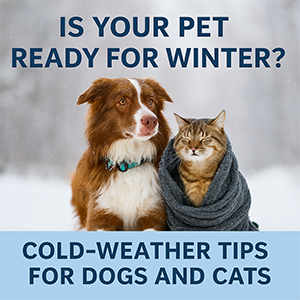
Is Your Pet Ready for Winter? Cold-Weather Tips for Dogs and Cats. When the temperature drops, most of us pull out our coziest sweaters, turn up the heat, and sip something warm by the fire. But while we’re bundling up, our furry friends are counting on us to help them stay safe, warm, and comfortable too.
Whether you share your home with a snow-loving Labrador or a sun-seeking cat, winter brings a few extra responsibilities for pet parents. From chilly walks to dry skin, icy paws, and shorter days, here are some friendly, practical tips to make sure your pet is ready for winter.
🐾 1. Know Your Pet’s Cold Tolerance
Just like people, pets have different comfort levels when it comes to cold weather. A Husky or Malamute might thrive in the snow, while a short-haired Chihuahua or Siamese cat will shiver the moment the temperature dips.
In general:
- Small, short-haired, or thin pets get cold faster and may need sweaters or coats outdoors.
- Senior pets and those with health conditions like arthritis can struggle in the cold.
- Kittens and puppies don’t regulate body temperature as well as adults, keep them indoors as much as possible.
If you’re wondering whether your pet is too cold, here’s a simple rule: If you’re chilly, they probably are, too.
🧥 2. Dress for the Weather (Yes, Really!)
A stylish sweater or coat isn’t just adorable, it’s practical. Look for insulated, waterproof outerwear that fits snugly without restricting movement. Dogs with short coats (like pit bulls, boxers, or greyhounds) especially benefit from a little extra warmth.
For cats, most prefer to stay inside during winter anyway, but if your cat enjoys supervised outdoor time, consider a lightweight vest or jacket for short outings.
Tip: Avoid anything with dangling zippers or buttons that could be chewed off or swallowed.
🐕 3. Protect Those Paws
Salt, ice, and freezing pavement can take a serious toll on paws. The tiny cracks that form from cold and dryness can be painful, and salt or de-icer chemicals can burn or cause irritation.
Here’s how to keep paws happy:
- Use pet-safe de-icers around your home and driveway.
- Wipe paws after every walk with a warm, damp cloth to remove salt and ice.
- Apply paw balm or coconut oil to prevent cracking.
- Try booties if your pet will tolerate them, they’re not just cute, they’re protective!
A quick paw check after every walk can prevent small problems from turning into big ones.
🍲 4. Adjust Diet and Water
Winter can affect your pet’s eating habits in a few ways. Dogs who spend more time outdoors in the cold may need a bit more food to maintain body heat. But if your pet becomes less active during the colder months, be mindful of overfeeding, a little extra weight can sneak on quickly.
Also, make sure your pet always has fresh, unfrozen water available. If you keep outdoor water bowls, check them often or use a heated pet bowl to prevent freezing.
Cats, in particular, are prone to dehydration in winter since they tend to drink less. Adding wet food or a pet fountain can help encourage them to stay hydrated.
🏠 5. Keep Them Cozy Indoors
Winter is the perfect excuse to make your home extra snuggly for your pets. Move beds away from drafty windows or doors, and offer soft, warm blankets. Heated pet beds are great for older pets or those with joint issues, just be sure to choose ones with automatic shut-offs and always supervise use.
If you have a cat that loves to perch by the window, set up a cozy viewing spot with a soft pad or blanket. They’ll still enjoy the view without feeling the chill.
🚗 6. Be Cautious with Cars and Antifreeze
Here’s an important safety reminder: Always tap your car hood before starting it in winter. Outdoor cats sometimes crawl under cars or into wheel wells to stay warm, and the results can be tragic.
Also, store antifreeze securely and clean up any spills immediately. It has a sweet taste that attracts animals, but it’s deadly even in small amounts. Opt for pet-safe antifreeze whenever possible.
🌙 7. Shorter Days, Shorter Walks
The shorter daylight hours of winter can make it tough to fit in those long walks, but exercise is still important. Try to schedule walks during daylight when sidewalks are less icy, or use reflective collars and leashes for evening outings.
If it’s too cold outside, switch things up with indoor play: tug-of-war, hide-and-seek, or even a hallway fetch session can help burn energy. Cats love laser pointers and feather toys, just a few minutes of active play each day can keep them healthy and happy.
🐈 8. Don’t Forget About Mental Stimulation
Cabin fever is real, for both humans and pets! Keep your furry friends mentally engaged with new toys, puzzle feeders, or training sessions. Learning new tricks or commands is a great way to strengthen your bond and keep boredom at bay.
Cats appreciate novelty too, rotate toys, introduce cardboard boxes or paper bags (under supervision), and sprinkle in a bit of catnip fun now and then.
❤️ Final Thoughts
Winter doesn’t have to be “ruff” or “purr-plexing.” With a few simple precautions and a little extra care, your pets can enjoy the season just as much as you do.
Keep them warm, hydrated, and entertained, and you’ll both make it through the cold months with plenty of snuggles and happy memories.
So grab that blanket, pour yourself some cocoa, and invite your Furbaby to curl up beside you, after all, that’s what winter’s really for.
More Pet Magazine articles